WOMEN'S RIGHTS ISSUES

Reproductive Rights
Reproductive rights are the rights of women to control their decisions about their own bodies by deciding whether to have children. In the US, this issue has become especially prominent following the 2022 Supreme Court decision Dobbs v. Jackson Women's Health Organization, which terminated federal protection for abortion rights. States now have full control over abortion laws relating to decisions about a woman's body, creating disparities in these laws from state to state.
Many people view these rights as fundamental for personal freedom, health, and gender equality. Those who oppose abortion often cite ethical or religious concerns. Overall, abortion rights across the US have been uneven in recent years, resulting in many women without access to crucial care and, most importantly, limited control over personal decisions. To find more information, click here:

Photo Credit CNN

Voting
Women in the US have had the right to vote for over 100 years, but voting access for women continues to be affected by obstacles that make it harder for women to vote. Safety concerns can discourage participation, especially among women of color and low‑income women.
Research conducted in 2024 suggests that up to 6 million voters may have stayed home due to safety concerns, with women reporting higher fears of voting‑related harassment. These barriers are unfair because they limit women’s ability to have an equal voice in decisions that affect their lives and rights.
Gender Equality
Women in the U.S. are legally protected from gender discrimination, yet women still face bias, harassment, or unequal treatment, which unfairly restricts their opportunities. This is unjust because everyone deserves equal treatment regardless of gender. Gender discrimination takes many forms: in the workforce, education, healthcare, etc, and often prevents women from reaching their full potential. For more information, click this link:

Equal Pay
Women in the US face severe gender inequality compared to men based on the pay gap. On average, women earn only around 80–85 cents for every dollar a man makes, and this gap expands for certain races. Native American women earn about 51-59 cents for every dollar a man makes, and Latina women earn about 54-58 cents.
This inequality is unjust as women often do the same work as men, with the same skills, education, and responsibilities, yet are still paid significantly less, which reinforces gender discrimination in the workplace. Many advocates argue that closing the pay gap is vital for achieving economic and gender equality. Without change, economic inequality continues to limit women’s rights and perpetuates gender discrimination in the workforce, which is why these gaps must be eradicated.

Human Trafficking
Human trafficking remains a serious violation of women’s rights in the US, affecting thousands of women and girls every year. Women are often forced into labor or sexual exploitation against their will, stripped of freedom, safety, and independence. This is deeply unfair because it exploits people for profit. Survivors often face severe physical and emotional challenges, which often impact them for the rest of their lives. For more information, click here:

Gender Based Violence
Gender based violence remains an issue for women in the US. One in three women reports experiencing some form of gender violence in her lifetime, and sexual harassment in workplaces and in public continues to be widespread. This violence is unfair and unjust because it targets individuals based solely on their gender, restricting freedom, safety, and equality. To find more information, visit this link:

Social Media's Impact on Mental Health
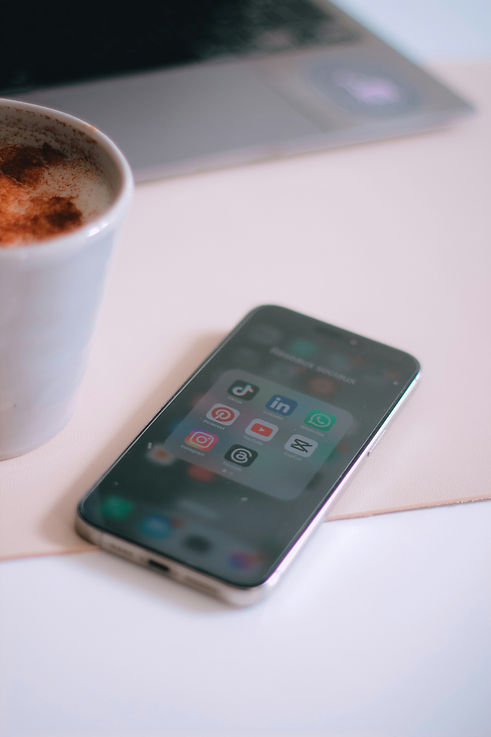
Mental health in young women is often tied to the influence of society and social media. Girls are constantly exposed to idealized images of beauty, success, and lifestyle on social media, which can create unrealistic expectations and lead to comparison, low self-esteem, and anxiety. Society also reinforces these pressures through gender roles and the expectation to look and behave a certain way, making young women feel judged or not “good enough.” Together, these social influences can make it harder for young women to develop a healthy self-image and maintain positive mental health.